Why Are Brands Paying for Ads That Don't Actually Exist?
[BY]
VFX Dudes
[Category]
Stories
[DATE]

A giant Squid Game character next to the Burj Khalifa. A Ferrari bursting through a Dubai building. Robots taking over the city. Giant Dior spotted in a Mall. Welcome to FOOH — the ad format breaking the internet.
The ad isn't real. The location is. That's the whole trick.
FOOH — Fake Out-Of-Home — is the format where brands place giant CGI elements into real-world footage. A Dior perfume bottle towering inside a luxury mall. A Squid Game character dwarfing the Burj Khalifa. A Ferrari jumps out of the building on a Dubai street.
None of it exists. All of it gets shared.

Why It Works
Traditional advertising interrupts. FOOH stops people cold.
The moment a viewer sees something that looks real but can't possibly be real, their brain fires an alert. They slow down. They watch again. They send it to someone before they've finished watching.
That split-second — "wait, is that actually there?" — is worth more than any media buy.
The format exploded globally when Maybelline put giant lashes on a London bus. Nobody paid for distribution. The idea distributed itself.
The Part Nobody Talks About
FOOH isn't about the CGI. It's about the idea.
We've built campaigns for Ferrari, Dior, Samsung, Huda Beauty, Kayali, McDonald's, Maybelline, Emirates NBD, Nivea, Squid Game, and more. Every single one started the same way — not with software, but with one question:
What's the most unexpected thing this brand could do in this space?
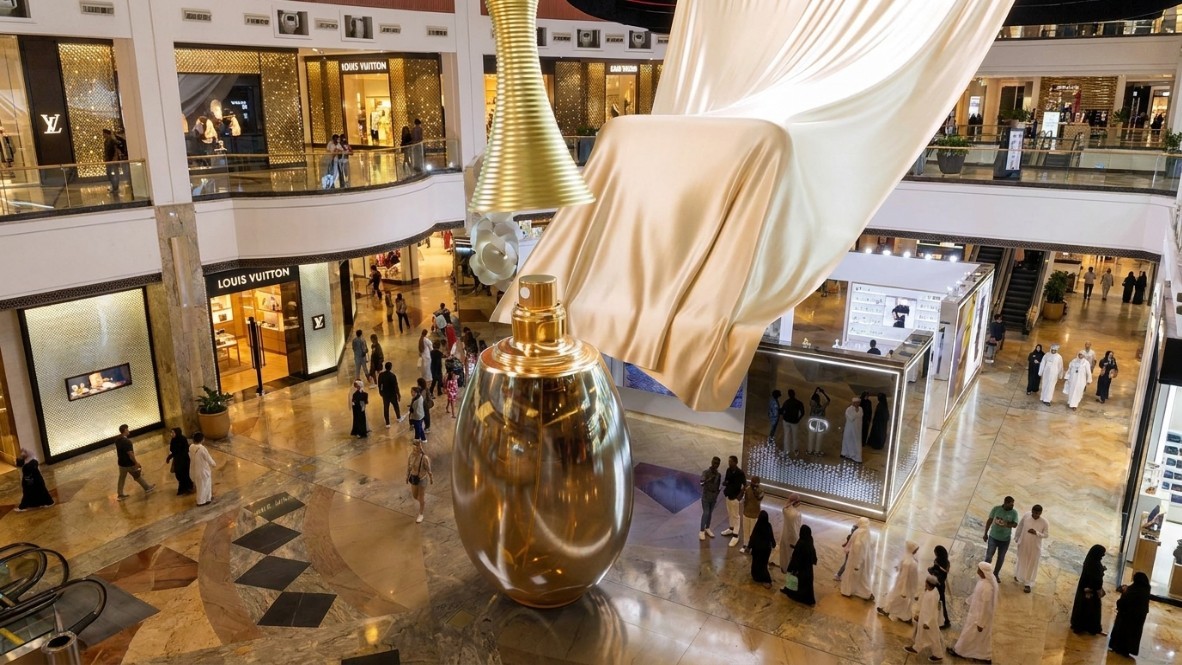
From there, everything is craft. Lighting. Materials. Physics. The digital and physical have to collide so cleanly that the viewer's eye never catches a seam. The Dior bottle took longer to light than some full campaigns take to produce.
Because if anything looks wrong, the illusion breaks. And a broken illusion doesn't just fail — it works against the brand.
What Makes One Go Viral
Three things. Every time.
The hook — you have 1.5 seconds. The scale — impossible, delightful, out of proportion. The location — somewhere the audience recognises, which makes the impossible feel even more impossible.
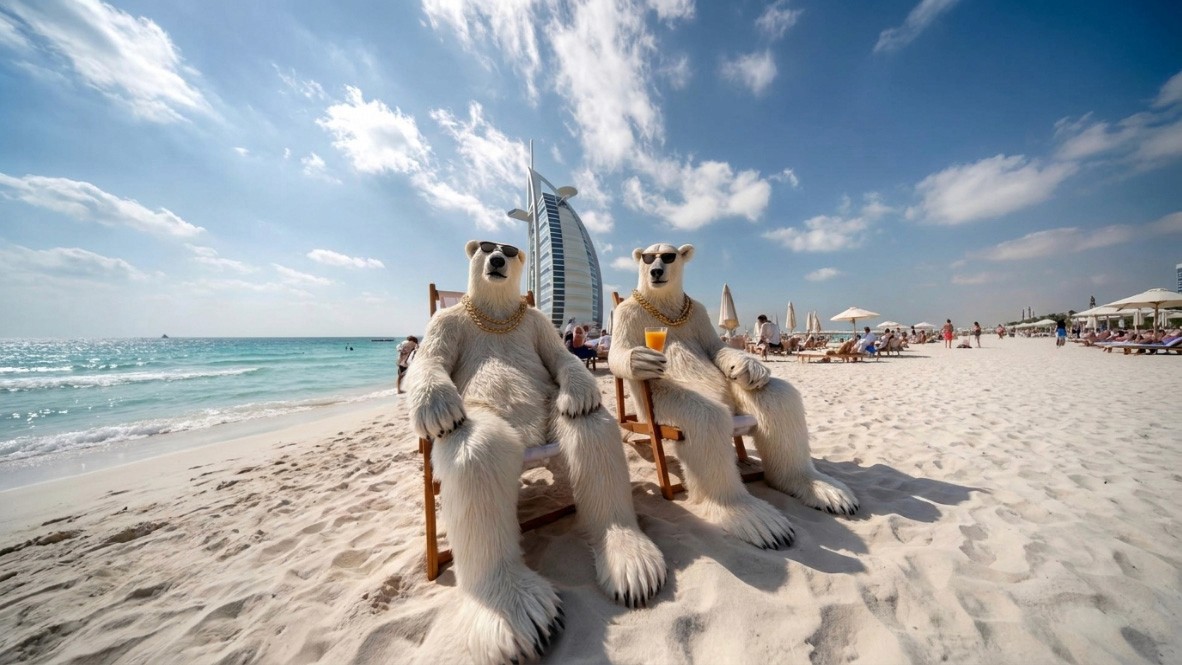
The brands that get this right don't just make content. They make moments people feel compelled to share.
Want your brand in that list? Let's build something →